
Divorce with Dignity.
Divorce with Dignity.
- Home
- Services
Considering Divorce?
There is a better way…

Ending a marriage or long-term relationship is one of life’s most significant transitions. While divorce can be emotionally challenging, it does not have to become a destructive legal battle.
At Amelia Island Psychology, we support individuals, couples, and families who want to navigate separation with dignity, respect, and a focus on long-term well-being. Collaborative divorce is a process that prioritizes communication, problem-solving, and the needs of the entire family while helping avoid the emotional and financial costs of traditional litigation.
Whether you are just beginning to consider separation or are already moving through the process, psychological support can help you make thoughtful decisions, reduce conflict, and create a healthier foundation for your next chapter.
Here is what to expect:
Collaborative divorce is a voluntary, out-of-court process in which both spouses commit to resolving issues through respectful negotiation rather than courtroom litigation.
Instead of positioning each other as opponents, both parties work with a team of professionals—including collaboratively trained attorneys, mental health professionals, and financial specialists—to reach solutions that meet the needs of everyone involved.
The goal is not simply to end a marriage, but to preserve relationships where possible, especially when children are involved.

Psychologist, PhD, LMFT
Licensed Psychologist FL PSY 005577
Licensed Marriage and Family Therapist FL MT 1288
4.5 / 5.0
Get In Touch

Divorce without court, is it possible?
Collaborative divorce may be an excellent option for couples who:
- Want to avoid the stress and expense of courtroom litigation.
- Have children and wish to maintain a cooperative co-parenting relationship.
- Value privacy and confidentiality.
- Prefer to make decisions together rather than having a judge decide their future.
- Want greater control over financial and parenting agreements.
- Hope to preserve respectful family relationships for years to come.
- Are willing to communicate openly with professional support.
Even when emotions are high, many couples find that structured guidance allows them to move forward with greater confidence and less conflict.
Advantages Over Litigation
Traditional divorce litigation often creates a win-lose environment that can increase emotional distress and prolong conflict. Collaborative divorce offers a different path. Benefits include:
- Greater privacy than public court proceedings.
- More personalized and creative solutions.
- Reduced emotional stress.
- Lower overall financial costs in many cases.
- Faster resolution for many families.
- Increased satisfaction with final agreements.
- Better long-term communication between former partners.
Most importantly, collaborative divorce focuses on building workable agreements rather than winning arguments.
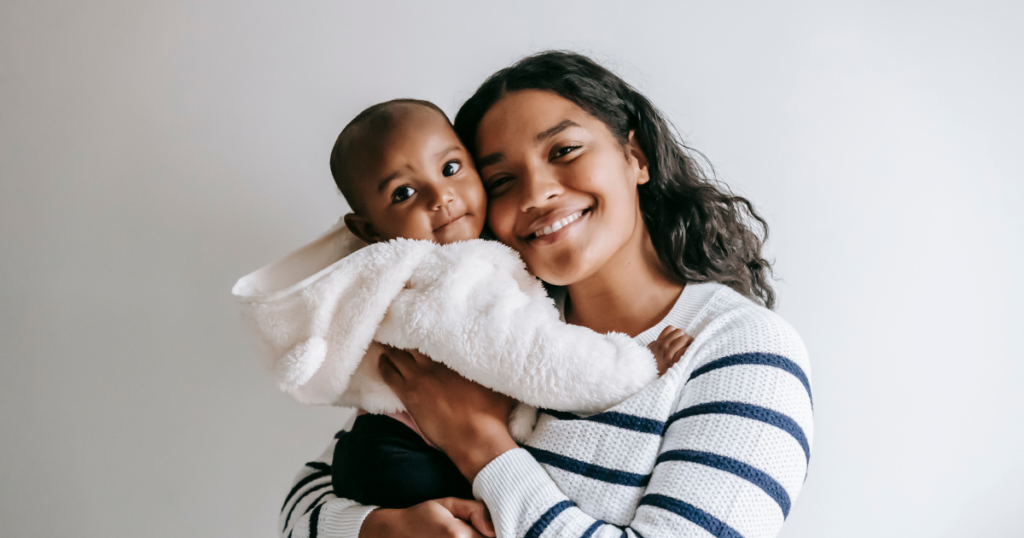
How to Stay Parents After You Stop Being Married
Children are deeply affected by conflict between parents, often more than by the divorce itself. A collaborative approach helps parents:
- Reduce children’s exposure to ongoing conflict.
- Develop healthy co-parenting strategies.
- Maintain consistency across households.
- Support children’s emotional adjustment.
- Improve communication regarding parenting decisions.
- Create parenting plans centered on children’s developmental needs.
As mental health professionals, we understand how children experience family transitions and can help parents respond in ways that foster resilience, security, and healthy attachment.





Reducing Damage
Lengthy court battles can consume financial resources that would be better used to support each family’s future.
Collaborative divorce encourages transparent financial discussions and thoughtful planning to help:
- Minimize unnecessary legal expenses.
- Preserve family assets.
- Develop sustainable financial agreements.
- Address future financial goals.
- Reduce conflict surrounding money.
When needed, financial professionals join the collaborative team to provide objective information and help both parties make informed decisions.
Communication Coaching
Strong communication is one of the most valuable skills during separation.
At Amelia Island Psychology, communication coaching helps clients:
- Express concerns respectfully.
- Manage difficult conversations.
- Reduce defensiveness and reactivity.
- Improve listening and understanding.
- Navigate conflict without escalation.
- Build healthier co-parenting communication.
- Develop practical strategies for future interactions.
Our goal is not to save or end a relationship, but to help individuals communicate in ways that reduce conflict and support healthier outcomes.
A Professional Team Approach
Collaborative divorce brings together professionals who work cooperatively rather than adversarially.
Depending on your family’s needs, your team may include:
- Collaborative attorneys
- Licensed psychologists or therapists
- Divorce coaches
- Child specialists
- Financial neutrals
- Certified financial planners
- Mediators
Each professional contributes specialized expertise while keeping the family’s overall goals at the center of the process.
As your psychologist, Amelia Island Psychology provides emotional support, communication coaching, guidance for co-parenting, stress management, and assistance navigating the emotional aspects of major life transitions.